
Top 10 Kitchen Design Trends
The modern kitchen is no longer designed around a single purpose. It is no longer just a cooking zone hidden behind walls. It is a collaborative space, a design statement, a storage system, and in many homes, even a workstation. The Top 10 Kitchen Design Trends are shaped by this transformation.
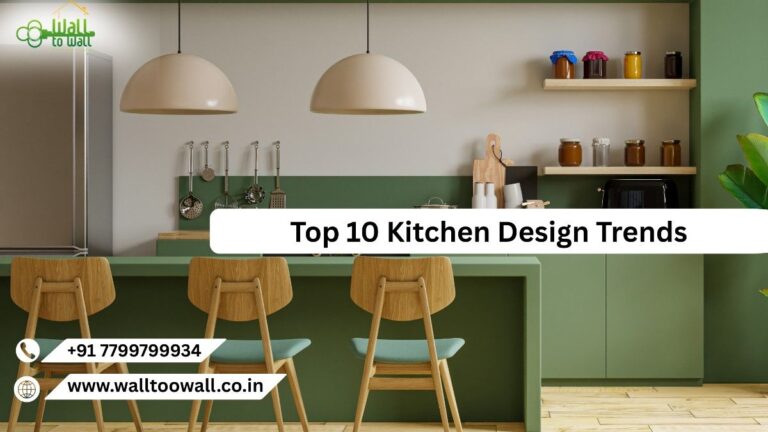
Today’s kitchen interior design is about intelligent planning, material honesty, comfort, and adaptability. The focus is shifting from decorative upgrades to performance based design decisions. Below is a refined exploration of the Top 5 Kitchen Design Trends, structured around how kitchens are evolving in real homes.
The Shift Toward Spatial Openness
One of the most noticeable transformations within the Top 10 Kitchen Design Trends is the move toward spatial openness. Traditional enclosed kitchens are steadily giving way to open kitchen layouts that blend seamlessly with dining and living areas. This shift reflects a broader architectural change where homes are designed around connection rather than separation.
In earlier layouts, kitchens were treated primarily as functional zones, often hidden behind walls or doors. Today, kitchen interior design integrates the space into the larger architectural framework of the home. The kitchen becomes visually and physically connected to surrounding areas, forming a unified environment rather than a segmented floor plan.
To maintain cohesion in open kitchen layouts, designers focus on consistency across materials and finishes. Continuous flooring ensures there is no abrupt transition between spaces. Coordinated ceiling treatments, such as recessed lighting or subtle false ceiling details, create alignment. Carefully selected kitchen color combinations echo tones used in adjacent areas, reinforcing visual harmony.
This openness enhances everyday living in several ways:
- Improved natural light distribution throughout the space
- Better cross ventilation and airflow
- Increased family interaction during daily activities
- A stronger sense of visual spaciousness
Open kitchen layouts also influence furniture placement and layout planning. Kitchen islands often serve as transitional elements, subtly separating the cooking area from the living zone without constructing physical barriers. Breakfast counters or peninsula extensions further define functional areas while preserving openness.
Design Begins with Workflow, Not Decoration
Another defining principle within the Top 5 Interior Designers in Hyderabad is the shift from decorative planning to performance-based planning. Instead of starting with cabinet finishes or color palettes, modern kitchen interior design begins with understanding movement patterns inside the space.
Designers now analyze how users move between the refrigerator, sink, and cooktop often referred to as the work triangle. The goal is to reduce unnecessary steps, prevent congestion, and create a smooth flow between preparation, cooking, and cleaning zones.
This functional planning typically includes:
- Efficient work triangle positioning to minimize movement
- Clear walking paths that prevent obstruction
- Logical appliance grouping based on usage frequency
- Optimized countertop spacing for preparation tasks
In larger kitchens, zones are sometimes divided into separate activity areas such as prep zones, cooking zones, and cleaning zones allowing multiple users to work simultaneously without disruption. In compact kitchens, space-saving kitchen storage solutions and built-in appliances ensure that functionality is maintained without overcrowding.
Storage as Architecture
Storage is no longer treated as a secondary layer added after the layout is finalized. Within the Top 5 Kitchen Design Trends, storage is integrated directly into the architectural planning of the kitchen. It shapes the layout, influences cabinet proportions, and determines how efficiently the space functions.
Rather than increasing the number of visible cabinets, modern kitchen interior design focuses on optimizing internal organization. The goal is to create a system where every item has a designated place, reducing visual clutter and improving workflow.
Design strategies commonly include:
- Tall pantry units that utilize vertical space effectively
- Pull-out shelving for easy access to stored items
- Deep drawers with built-in dividers for utensils and cookware
- Corner mechanisms that eliminate unused dead space
- Hidden appliance cabinets that maintain a seamless exterior appearance
These solutions reflect how modular kitchen trends have evolved. Cabinets are no longer simple storage boxes; they are engineered systems designed for accessibility and order. Internal fittings such as soft-close channels, adjustable racks, and concealed compartments improve usability without affecting aesthetics.
The Rise of Minimalist Surfaces
Minimalist kitchen design continues to grow, but it is more refined than before. Within the Top 10 Kitchen Design Trends, minimalism is defined by clarity and precision rather than emptiness.
Key characteristics include:
- Flat-panel cabinets
- Handleless systems
- Matte finishes
- Neutral kitchen color combinations
- Integrated lighting
This aesthetic reduces visual distraction. Countertops remain clear, appliances are built-in, and decorative elements are carefully limited.
Minimalist kitchen design is especially effective in urban homes where space optimization matters.
Material Authenticity and Texture
Modern kitchen spaces are moving toward honesty in materials. A noticeable shift within the Top 5 Kitchen Design Trends is the preference for surfaces that feel real, tactile, and enduring rather than overly polished or synthetic.
For many years, high-gloss laminates and reflective finishes dominated kitchen interior design. While visually striking, they often lacked depth and character. Today, homeowners are leaning toward finishes that showcase natural variation, subtle imperfections, and texture.
Instead of artificial shine, choices now include:
- Natural wood grains that highlight organic patterns
- Quartz countertops known for durability and clean detailing
- Textured ceramic tiles that add visual movement
- Stone backsplashes with natural veining
- Fluted glass panels that introduce rhythm and dimension
Texture plays a crucial role in creating balance. It adds visual depth without overwhelming the space. In minimalist kitchen design, where color palettes are often restrained, texture becomes the defining element that prevents the space from feeling flat or sterile.
Color is Becoming Warmer and Deeper
For a long time, bright white kitchens symbolized modernity and cleanliness. While white remains timeless, the Top 5 Kitchen Design Trends now reflect a noticeable transition toward warmer, richer tones. The goal is no longer to create a stark, clinical environment but a kitchen that feels inviting and grounded.
Earth-inspired colors are gaining attention because they introduce depth without overpowering the space. Instead of relying on high contrast, designers are layering tones to create subtle variation and warmth.
Trending shades include:
- Olive green
- Warm beige
- Muted brown
- Soft terracotta
- Charcoal grey
These colors soften the visual experience of the kitchen. They absorb light differently than pure white surfaces, creating a balanced atmosphere that feels calm and welcoming. In open kitchen layouts, warmer tones also help the kitchen blend more naturally with living and dining spaces.
The Island as a Social Anchor
The kitchen island has transitioned from a luxury addition to a structural necessity in contemporary homes. Within the Top 10 Kitchen Design Trends, the island is no longer just extra counter space, it is the organizing element around which the entire kitchen is planned.
In many layouts, especially open kitchen layouts, the island defines circulation paths and visually anchors the room. It subtly separates cooking and living zones without building physical barriers, maintaining openness while preserving functional clarity.
Today’s islands are designed to accommodate multiple activities at once. Common functions include:
- Food preparation with extended countertop space
- Informal dining through integrated seating
- Built-in storage drawers and cabinets
- Charging stations for devices
- Casual workspace for reading or remote work
This multi-functionality reflects how kitchen interior design is adapting to daily life. The island supports both routine cooking tasks and spontaneous social interactions. It becomes a gathering point during meals, conversations, and even work hours.
Integrated Technology Without Visual Clutter
Modern kitchens are no longer just functional workspaces they are smart, connected environments. A key element in the Top 10 Kitchen Design Trends is the seamless integration of technology, where appliances enhance usability without disrupting the kitchen’s aesthetic flow.
Rather than prominently displaying gadgets, designers focus on embedding technology into the architecture. This ensures that the kitchen remains visually clean while benefiting from modern convenience.
Common features include:
- Built-in ovens that blend with cabinetry
- Induction cooktops offering precision and safety
- Touchless faucets for hygiene and ease of use
- Energy-efficient appliances that reduce electricity consumption
- Concealed ventilation systems maintaining clean lines
The emphasis is on creating a kitchen that is technologically capable yet visually calm. Hidden appliances, integrated controls, and smart systems allow homeowners to enjoy innovation without cluttering surfaces or interrupting design harmony.
Sustainability as a Standard Practice
Sustainability has moved from being a niche concern to a central principle in modern kitchen design. Within the Top 5 Kitchen Design Trends, eco-conscious planning is no longer optional homeowners expect kitchens that are both functional and environmentally responsible.
Designers are increasingly selecting materials and systems that minimize environmental impact while enhancing durability and health. This approach reflects a growing awareness of resource conservation, energy efficiency, and indoor air quality.
Key sustainable elements include:
- Low-VOC paints that improve air quality and reduce chemical exposure
- Recycled wood for cabinetry, offering warmth without depleting natural resources
- Durable countertops such as quartz or natural stone, ensuring longevity and reducing replacement frequency
- LED lighting systems that consume less energy while providing effective task and ambient lighting
- Water-efficient fixtures like faucets and sinks to reduce water consumption
By prioritizing these features, kitchens become healthier, more energy-efficient, and easier to maintain over the long term. Sustainability also aligns with modern kitchen interior design goals of functionality and minimalism, as well-planned eco-friendly systems often reduce clutter and streamline workflows.
Refined Luxury Through Subtle Details
Luxury in modern kitchens has evolved from bold, ostentatious design to understated elegance. Within the Top 5 Kitchen Design Trends, true luxury is found in precision, craftsmanship, and thoughtful detailing rather than excessive ornamentation.
Subtle luxury is expressed through design elements that enhance both function and aesthetics, creating a refined and timeless kitchen environment. Common features include:
- Seamless countertop edges that create a smooth, uninterrupted surface
- Under-cabinet lighting that adds ambient glow and highlights textures
- Soft-close mechanisms for drawers and cabinets, enhancing usability and reducing wear
- Premium modular kitchen hardware that combines durability with sleek design
- High-quality finishes that age gracefully and maintain visual appeal
Modern kitchen interior design prioritizes long-term value over fleeting trends. These elements emphasize durability, user comfort, and visual restraint. Instead of flashy details, every feature serves a purpose while contributing to the overall elegance of the space.
Why the Top 5 Kitchen Design Trends Matter
The Top 10 Kitchen Design Trends are more than aesthetic guidelines—they reflect how kitchens are evolving to meet the demands of modern life. Today’s kitchens are multifunctional spaces, serving as cooking zones, workstations, entertainment areas, and family gathering points all at once.
These trends highlight the priorities that define contemporary kitchen design:
- Adaptability – Spaces are designed to adjust to changing needs, whether for meal prep, casual dining, or remote work.
- Storage efficiency – Smart organization ensures clutter-free surfaces and smooth workflows.
- Spatial openness – Open layouts connect the kitchen to living areas, encouraging interaction and improving light and ventilation.
- Material durability – Long-lasting materials reduce maintenance and support sustainable living.
- Emotional comfort – Warm colors, textures, and thoughtfully designed layouts create welcoming environments.
Applying the Trends Thoughtfully
While the Top 5 Kitchen Design Trends provide valuable guidance, their implementation should be tailored to each home’s unique context. No single trend fits every space, and careful consideration ensures the kitchen remains both functional and timeless.
Before incorporating trends, homeowners should evaluate:
- Available space – Ensure layout choices and features, such as islands or open shelving, fit comfortably without crowding the kitchen.
- Family size – Consider storage, seating, and workflow needs based on the number of people using the kitchen regularly.
- Maintenance requirements – Choose materials and finishes that are practical for daily use and easy to clean.
- Budget planning – Balance design aspirations with cost-effectiveness to avoid overextending financially.
- Long-term flexibility – Select features that can adapt to changing needs over time, from growing families to evolving cooking habits.
By blending timeless design principles with carefully selected contemporary updates, kitchens can remain functional, aesthetically pleasing, and relevant well beyond temporary design cycles. Thoughtful application ensures that the Top 10 Kitchen Design Trends enhance everyday life rather than becoming fleeting stylistic experiments.
Conclusion
The Top 5 Kitchen Design Trends reveal a clear direction in kitchen interior design. Openness, functionality, sustainability, and refined detailing are shaping modern spaces.
Kitchens are becoming organized, technology-enabled, and emotionally comfortable environments. From minimalist kitchen design and advanced storage systems to warm color palettes and integrated appliances, each trend reflects thoughtful planning.
Understanding the Top 10 Kitchen Design Trends helps create a kitchen that is efficient, adaptable, and visually balanced. The goal is not to follow trends blindly but to interpret them in ways that suit real-life usage and long-term value.
FAQ's
A: The Top 10 Kitchen Design Trends in 2026 focus on open layouts, workflow-centered planning, smart storage, minimalist design, authentic materials, warmer color palettes, multifunctional islands, integrated technology, sustainability, and subtle luxury finishes. These trends reflect modern lifestyles and aim to make kitchens functional, comfortable, and visually appealing.
A: Open kitchens are a key part of the Top 10 Kitchen Design Trends because they improve natural light, airflow, and family interaction. They allow the kitchen to connect seamlessly with living and dining areas, creating a sense of spaciousness and promoting social engagement.
A: Workflow planning focuses on the work triangle between the sink, refrigerator, and cooktop. The Top 10 Kitchen Design Trends prioritize efficient layouts so that cooking, cleaning, and preparation tasks flow naturally, reducing unnecessary movement and making the kitchen more user-friendly.
A: Smart storage has become a central element in the Top 10 Kitchen Design Trends. Popular solutions include pull-out pantry units, corner carousels, deep drawers with dividers, and hidden appliance cabinets. These solutions maximize space while keeping countertops clean and organized
A: Homeowners are embracing authentic materials such as wood, quartz, stone, textured tiles, and fluted glass. The Top 10 Kitchen Design Trends highlight texture and material authenticity because they add depth, warmth, and durability while maintaining a sophisticated aesthetic.
A: Warm, earthy tones like olive green, muted brown, soft terracotta, warm beige, and charcoal grey are popular in the Top 10 Kitchen Design Trends. These colors create a welcoming atmosphere and pair well with wooden cabinetry or metal accents, offering a balanced, contemporary look.
A: Modern kitchen islands are multifunctional and act as social anchors. According to the Top 10 Kitchen Design Trends, islands support food prep, casual dining, storage, device charging, and workspace needs, making them central to both workflow and interaction in open kitchen layouts.
A: Integrated technology is a hallmark of the Top 10 Kitchen Design Trends. Built-in ovens, induction cooktops, touchless faucets, energy-efficient appliances, and concealed ventilation systems enhance convenience while maintaining a clean, clutter-free appearance.
A: Sustainability is essential. The Top 10 Kitchen Design Trends promote eco-friendly materials like recycled wood, low-VOC paints, durable countertops, LED lighting, and water-saving fixtures. These choices reduce environmental impact and support healthier indoor spaces.
A: Luxury in today’s kitchens is understated. The Top 10 Kitchen Design Trends emphasize subtle detailing like seamless countertop edges, soft-close cabinets, under-cabinet lighting, premium hardware, and high-quality finishes, focusing on craftsmanship and long-term value rather than ornate decoration.
A: Yes. Even compact kitchens can adopt the Top 10 Kitchen Design Trends by using space-efficient layouts, modular storage, minimalist finishes, integrated appliances, and carefully selected color palettes to maintain style without sacrificing functionality.
A: By combining functional layouts, smart storage, workflow-centered design, and technology integration, the Top 10 Kitchen Design Trends enhance usability. Kitchens become more comfortable, organized, and easier to maintain, supporting both cooking and social activities.
A: Many of the Top 10 Kitchen Design Trends are flexible. Modular cabinets, energy-efficient appliances, and neutral color palettes can be implemented without permanent changes, making them ideal for rental properties or homes with changing requirements.
A: While some aesthetic details may evolve, core principles of the Top 10 Kitchen Design Trends such as open layouts, functional workflow, durable materials, smart storage, and subtle luxury are timeless and can adapt to future design updates.
A: Selection should be based on your space, lifestyle, family needs, maintenance capacity, and budget. Combining timeless design principles with contemporary updates ensures that your kitchen remains practical, stylish, and aligned with theTop 5 Interior Designers in Hyderabad without being temporary or purely decorative.