
Types of Wooden Flooring
Wooden flooring continues to be a preferred choice in residential interiors because of its warmth, durability, and timeless appeal. Understanding the different Types of Wooden Flooring allows homeowners to make informed decisions based on usage patterns, climate conditions, budget considerations, and maintenance requirements.
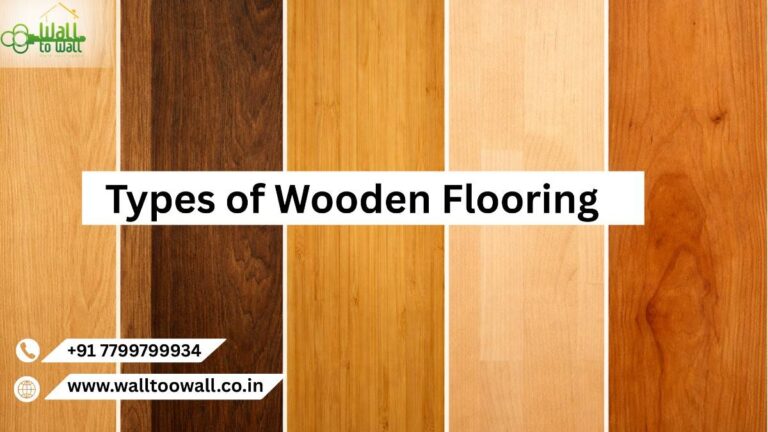
Choosing the right flooring goes beyond visual appearance. It directly affects comfort underfoot, long-term durability, sound insulation, and overall maintenance costs. A well-informed selection of Types of Wooden Flooring can improve both functionality and interior aesthetics. This guide explores the major Types of Wooden Flooring, outlining their features, advantages, limitations, and the spaces where they are most suitable.
Why Wooden Flooring Is Popular in Interior Design
Wooden floors add visual warmth and natural texture to interiors. Compared to tiles or stone, wooden surfaces feel softer underfoot and create a welcoming and comfortable environment. In modern home flooring design, wood is frequently selected for living rooms, bedrooms, and study spaces because it enhances both aesthetics and usability.
Wooden flooring continues to be a preferred choice because of its enduring visual appeal. Even as interior trends evolve, natural wood complements modern, classic, and transitional design styles with ease. Whether a room has a simple, minimalist setup or rich decorative elements, wooden floors integrate smoothly into the space and maintain a fresh, relevant look over time.
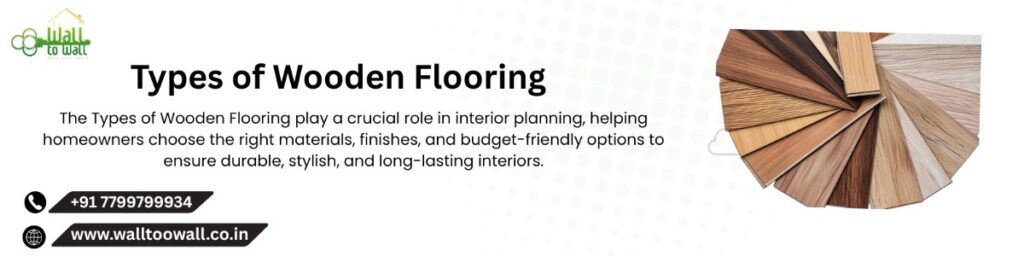
Another advantage is versatility. The different Types of Wooden Flooring offer a wide range of finishes, shades, textures, and plank sizes. From light oak tones that create a spacious feel to darker walnut shades that add depth and richness, wooden floors can significantly influence the mood of a room.
Solid Hardwood Flooring
Solid hardwood is one of the most traditional Types of Wooden Flooring. It is manufactured from a single piece of natural timber and is commonly available in species such as oak, teak, maple, walnut, and mahogany. Among all Types of Wooden Flooring, solid hardwood is often associated with durability, authenticity, and long-term value.
Because it is made entirely from natural wood, this flooring showcases unique grain patterns, knots, and color variations. These natural characteristics give each plank a distinct appearance, making no two floors exactly alike.
Features
- Thick wood planks cut from a single timber piece
- Available in various hardwood species
- Can be sanded and refinished multiple times
- Installed using nail-down or glue-down methods
- Offers a natural matte, semi-gloss, or glossy finish
Advantages
- Long lifespan when properly maintained
- Authentic and timeless appearance
- Strong structural integrity in stable indoor conditions
- Adds depth and warmth to home flooring design
- Can be restored through refinishing instead of full replacement
One of the key benefits of solid hardwood within the broader category of Types of Wooden Flooring is its ability to be refinished multiple times. This makes it suitable for long-term residential use, especially in spaces like living rooms and bedrooms.
Limitations
- Sensitive to moisture and humidity fluctuations
- Expands and contracts with temperature changes
- Requires professional wooden floor installation
- Higher initial investment compared to laminate wood flooring or veneer flooring
- Not recommended for areas with high moisture exposure
Solid hardwood flooring performs best in dry environments with controlled humidity. It is ideal for bedrooms, living areas, and formal spaces where moisture exposure is minimal. However, it is less suitable for kitchens, bathrooms, or basements due to the risk of expansion and contraction.
Engineered Wood Flooring
Engineered wood flooring is one of the most versatile Types of Wooden Flooring used in contemporary homes. Unlike solid hardwood, it is constructed from multiple layers: a top layer of real hardwood veneer and underlying layers of plywood or high-density fiberboard. This layered design provides enhanced stability and makes engineered wood a popular choice for modern interior spaces.
Features
- Plywood or fiberboard core for strength and stability
- Stable under temperature and humidity variations
Advantages
- Suitable for apartments, multi-story buildings, and areas with fluctuating humidity
- Offers natural wood aesthetics similar to solid wood
- Often more affordable than solid hardwood flooring
- Available in wider plank sizes and modern finishes
Engineered wood flooring is considered a practical solution within the spectrum of Types of Wooden Flooring because it combines the warmth and authenticity of real wood with enhanced structural stability. It is ideal for living rooms, bedrooms, and even kitchens, provided there is moderate humidity control.
Limitations
- Thinner veneers may reduce durability over time
- Quality varies significantly based on the manufacturing process and materials used
- Requires careful selection to ensure top-layer thickness meets longevity expectations
Engineered wood flooring bridges the gap between luxury and practicality. Its improved resistance to moisture and flexibility in installation makes it a preferred choice for urban apartments, homes with underfloor heating, and multi-story buildings. When choosing Types of Wooden Flooring, engineered wood provides a cost-effective yet stylish alternative to solid hardwood, while maintaining the natural wood look that enhances interior aesthetics.
Laminate Wood Flooring
Laminate wood flooring is another popular option within Types of Wooden Flooring, though it differs from solid or engineered wood in composition. Laminate floors feature a high-resolution photographic layer that mimics natural wood, topped with a transparent protective coating. Beneath this, a synthetic core provides strength and stability.
Features
- Synthetic core made from high-density fiberboard (HDF)
- Photographic wood grain layer for realistic appearance
- Durable transparent top layer that is scratch and stain-resistant
- Click-lock or tongue-and-groove installation for floating floors
- Available in various textures, colors, and plank sizes
Advantages
- Budget-friendly compared to solid and engineered wood
- Quick and easy DIY-friendly installation
- Low maintenance and easy to clean
- Resistant to scratches, dents, and fading
- Wide range of styles, finishes, and wood-look designs
Laminate flooring is ideal for homeowners seeking the look of wood without the higher cost or maintenance associated with natural timber. It is suitable for living rooms, bedrooms, and study spaces where heavy moisture exposure is not a concern.
Parquet Flooring
Parquet flooring is a highly decorative option within Types of Wooden Flooring, recognized for its distinctive geometric patterns such as herringbone, chevron, or basket weave. Unlike standard plank flooring, parquet emphasizes design aesthetics, making it a popular choice for formal living areas, dining rooms, and luxurious bedrooms.
Features
- Customizable designs to suit interior styles
- Can be finished in a variety of stains, varnishes, or oils
- Adds visual texture and depth to interior spaces
Advantages
- Unique visual appeal that enhances interior aesthetics
- Works well in formal or high-visibility areas of the home
- Durable and long-lasting when properly maintained
- Can be combined with borders or contrasting wood tones for custom effects
Parquet flooring is ideal for homeowners looking to make a statement with their flooring choice. It stands out among the Types of Wooden Flooring for its artistry and elegance, often becoming a focal point of interior design.
Bamboo Flooring
Bamboo flooring, though technically a grass, is commonly included in Types of Wooden Flooring because it offers the aesthetic appeal and installation process similar to traditional wood floors. It is increasingly popular among homeowners seeking sustainable and modern flooring solutions.
Features
- Made from compressed bamboo fibers, creating durable planks
- Available in horizontal, vertical, or strand-woven grain patterns
- Can be finished in various stains and textures to match interior themes
- Compatible with both solid and engineered plank formats
Advantages
- Eco-friendly and renewable, ideal for sustainable homes
- Hard and durable surface, suitable for moderate foot traffic
- Provides a contemporary, sleek appearance for modern interiors
- Less expensive than many hardwood options while maintaining a premium look
- Can be used in living rooms, bedrooms, and offices for a warm, natural feel
Limitations
- Quality can vary significantly between manufacturers, affecting durability
- Sensitive to moisture, making it unsuitable for bathrooms or damp areas
- Requires regular maintenance to retain finish and prevent scratches
- May expand or contract slightly with changes in humidity, though less than solid hardwood
- Limited refinishing cycles compared to solid hardwood flooring
Bamboo flooring is ideal for eco-conscious homeowners who want stylish Types of Wooden Flooring with a sustainable footprint. Its modern appearance and versatility make it suitable for contemporary living spaces while maintaining durability and affordability.
Reclaimed Wood Flooring
Reclaimed wood is made from recycled timber sourced from old buildings, barns, or warehouses. It is one of the environmentally conscious Types of Wooden Flooring.
Features:
- Aged wood with natural patina
- Unique grain and texture
- Sustainable sourcing
Advantages:
- Distinct character
- Environmentally responsible choice
- Strong and dense wood
Limitations:
- Limited availability
- Higher preparation cost
Reclaimed wood is commonly used in rustic or industrial-style interiors.
Veneer Wood Flooring
Veneer wood flooring is a practical and lightweight option among Types of Wooden Flooring, designed for homeowners seeking the look of real wood without the higher cost of solid hardwood. It consists of a thin natural wood layer bonded over a composite or plywood base, combining aesthetics with affordability.
Features
- Thin veneer layer of real wood on top of a stable base
- Lightweight construction for easier handling and installation
- Available in various wood species, finishes, and colors
- Often comes in engineered or pre-finished planks
Advantages
- Offers a genuine wood look and texture
- More affordable than solid hardwood flooring
- Easier to install due to lightweight planks
- Compatible with underfloor heating in some cases
- Suitable for DIY-friendly installations
Veneer wood flooring is an excellent choice for homeowners aiming to enhance aesthetics while keeping costs under control. It works well in spaces where visual appeal is desired without heavy wear and tear.
Teak Wood Flooring
Teak is a premium hardwood often used in luxury interiors. Among the Types of Wooden Flooring, teak is valued for its natural oil content and durability.
Features:
- High natural oil content
- Rich golden-brown color
- Resistant to pests
Advantages:
- Durable and long-lasting
- Performs well in humid climates
- Elegant appearance
Limitations:
- Expensive
- Requires professional installation
Teak wood flooring is ideal for living rooms and master bedrooms.
Oak Wood Flooring
Oak wood flooring is one of the most sought-after Types of Wooden Flooring, valued for its strength, durability, and timeless appeal. Its natural grain patterns and warm tones make it a versatile choice for various interior styles, from classic to contemporary.
Features
- Strong and dense hardwood with excellent load-bearing capacity
- Distinctive and attractive grain patterns that enhance visual appeal
- Available in red oak and white oak varieties
- Can be finished in different stains and textures
- Suitable for both plank and parquet designs
Advantages
- Highly durable and long-lasting, ideal for high-traffic areas
- Widely available, making it easier to source and match planks
- Versatile for traditional, rustic, and modern interior designs
Limitations
- Sensitive to water and moisture, making it less suitable for bathrooms or kitchens
- Requires proper maintenance, including periodic polishing and finishing
- Installation can be costlier than laminate or engineered options
- Heavyweight planks may require professional installation
Oak flooring is an excellent choice for living rooms, bedrooms, and studies where durability and aesthetics are priorities. Its ability to complement multiple interior styles while remaining functional makes it one of the most popular Types of Wooden Flooring for homeowners seeking long-term value and elegance.
Factors to Consider When Choosing Types of Wooden Flooring
Selecting the right flooring requires evaluating multiple factors beyond appearance.
1. Climate Conditions
Humidity affects wood expansion and contraction. Engineered flooring performs better in variable climates.
2. Foot Traffic
High-traffic areas require harder wood species or durable finishes.
3. Maintenance Requirements
Some wooden flooring types require regular polishing or refinishing.
4. Budget Planning
Material cost, installation cost, and long-term maintenance should all be considered.
5. Subfloor Compatibility
Different flooring types require specific subfloor conditions for proper installation.
Understanding these aspects helps in choosing appropriate Types of Wooden Flooring for each room.
Wooden Flooring Finishes
Surface finishes impact durability and appearance.
Oil Finish
Enhances natural grain and provides a matte look.
Lacquer Finish
Offers a glossy surface and stronger protection.
UV Finish
Factory-applied coating that improves scratch resistance.
The finish selection influences performance across different Types of Wooden Flooring.
Comparing Types of Wooden Flooring
Flooring Type | Durability | Moisture Resistance | Cost Level | Refinishing |
Solid Hardwood | High | Low | High | Multiple times |
Engineered Wood | Moderate to High | Moderate | Medium | Limited |
Laminate | Moderate | Moderate | Low | Not possible |
Bamboo | Moderate | Low to Moderate | Medium | Limited |
Parquet | High | Low | High | Possible |
Each option performs differently depending on environmental conditions and usage patterns.
Conclusion
Understanding the various Types of Wooden Flooring helps homeowners choose flooring that balances aesthetics, durability, and budget considerations. From solid hardwood and engineered wood to laminate and bamboo, each type has unique structural characteristics and performance capabilities.
Rather than selecting flooring based solely on appearance, evaluating climate, maintenance requirements, and long-term usability ensures better results. The right choice among the Types of Wooden Flooring can enhance comfort, visual appeal, and functionality in residential spaces for years to come.
FAQ's
The main types of wooden flooring include solid hardwood, engineered wood, laminate flooring, parquet flooring, veneer wood flooring, oak wood flooring, and bamboo flooring. Each type differs in durability, cost, moisture resistance, and maintenance.
Solid hardwood and oak wood flooring are considered highly durable. Engineered wood with a thick top veneer layer is also strong and stable for long-term use.
Solid wood flooring is made from a single piece of natural timber, while engineered wood consists of multiple layers with a real wood surface on top. Engineered flooring offers better stability in humid conditions.
Laminate is often grouped under types of wooden flooring because of its wood-like appearance, but it is not made from solid wood. It contains a printed wood design over a synthetic core.
Engineered wood flooring performs better in humid climates because its layered structure reduces expansion and contraction compared to solid hardwood.
Yes, engineered wood and laminate flooring are suitable for apartments because they are lighter and more stable than traditional solid hardwood flooring.
Laminate flooring and veneer wood flooring are generally more affordable options compared to solid hardwood or parquet flooring.
Solid hardwood can last several decades with proper care. Engineered wood also has a long lifespan, while laminate flooring typically lasts 10–20 years depending on usage.
Laminate and bamboo flooring usually require minimal maintenance compared to solid hardwood, which may need refinishing over time.
Premium-grade bamboo flooring can be extremely dense and resistant to wear. In some cases, it performs similarly to certain hardwood species. However, its strength and durability depend largely on how it is manufactured and the quality standards followed during production..
Parquet is one of the decorative types of wooden flooring where small wood pieces are arranged in patterns such as herringbone or chevron for a distinctive look.
Solid hardwood floors can be sanded and polished several times over their lifespan, allowing them to regain their original appearance. Engineered wood may also be refinished, but this depends on the thickness of the top wood layer. Laminate flooring, however, does not support refinishing because it has a printed surface layer rather than solid wood.
Harder wood species like oak and high-quality engineered wood flooring with durable finishes are suitable for high-traffic areas.
Engineered wood may be suitable for kitchens if moisture exposure is controlled. Solid hardwood is generally not recommended for areas with frequent water contact.
Quality wooden flooring enhances aesthetics and can positively influence property value due to its durability and timeless appeal.